Mini Split Installation Cost: Equipment, Labor, and Financing Options
Kicking off with Mini Split Installation Cost: Equipment, Labor, and Financing Options, this opening paragraph is designed to captivate and engage the readers, providing a comprehensive look at the various aspects involved in installing a mini-split system, from equipment costs to labor expenses and financing options.
When it comes to mini-split installation, there are several key pieces of equipment required to get the job done efficiently. These include the indoor air handler, outdoor condenser unit, refrigerant lines, and control systems. The cost of these components can vary depending on factors such as brand, size, and efficiency.
There are two main types of mini-split systems to consider: single-zone and multi-zone. Single-zone systems consist of one outdoor unit connected to one indoor unit, making them ideal for heating or cooling a single room or small area. On the other hand, multi-zone systems have one outdoor unit connected to multiple indoor units, allowing for customized climate control in different areas of the home.
The cost of these systems can vary based on the number of indoor units needed and the complexity of the installation.
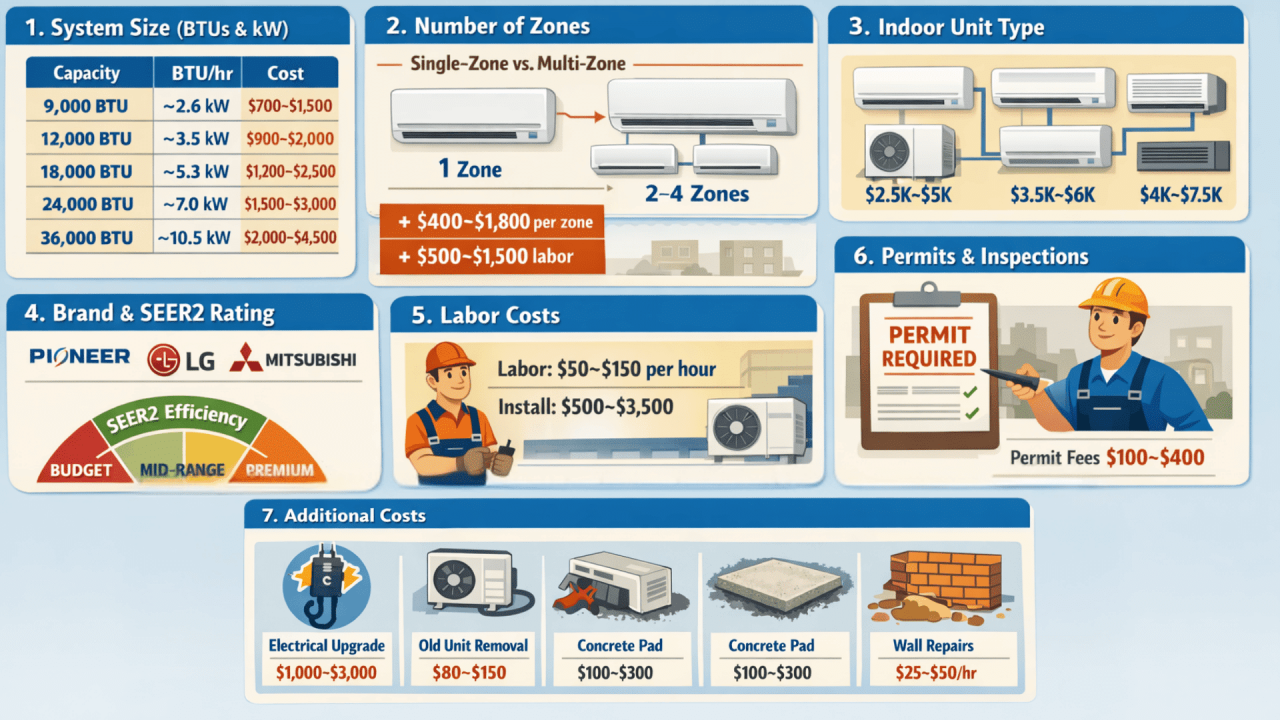
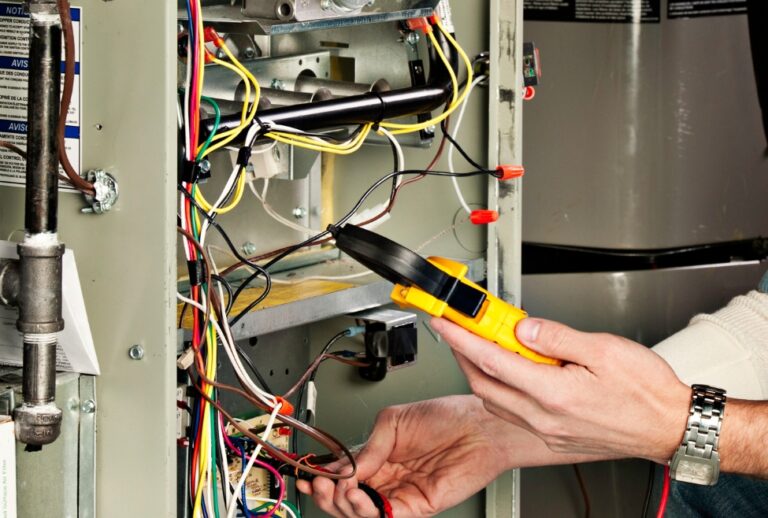
When it comes to installing a mini-split system, labor costs are a significant part of the overall expenses. HVAC technicians are usually hired to handle the installation process, ensuring that everything is set up correctly for optimal performance.Complexities in the installation process can impact labor expenses.
Factors such as the location of the installation, the size of the area to be cooled or heated, and any additional ductwork needed can all affect the amount of time and effort required for the installation. This, in turn, can influence the overall labor costs involved.
HVAC technicians typically charge by the hour for their services. The average hourly rate for an HVAC technician can vary depending on factors such as location, experience, and the complexity of the job. On average, hourly rates can range from $75 to $150 per hour.
It’s essential to get a detailed quote from the technician before proceeding with the installation to understand the labor costs involved fully.
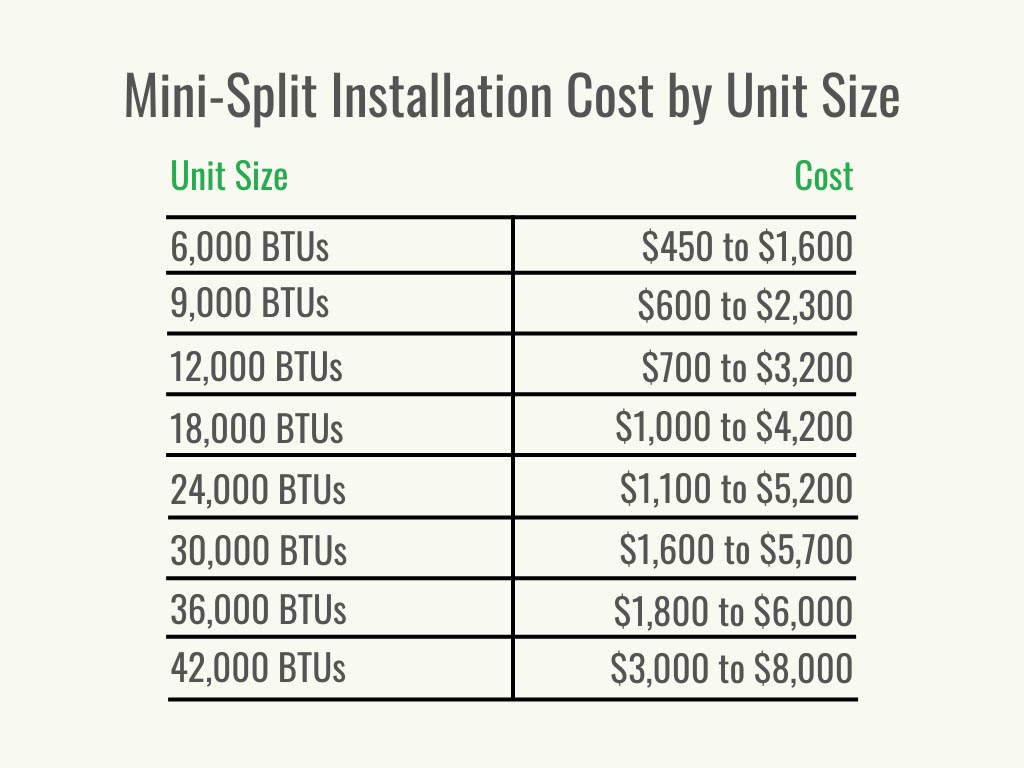
When it comes to covering the cost of mini-split installations, there are various financing options available to homeowners. Understanding the advantages and disadvantages of each can help you make an informed decision that suits your financial situation.
One common financing option for mini-split installations is taking out a loan. This could be a personal loan from a bank or credit union, or a home improvement loan specifically for HVAC upgrades. The advantage of a loan is that you receive a lump sum upfront to cover the costs, allowing you to pay for the installation in full.
However, you will have to repay the loan over time, which may include interest and fees.
Using a credit card to finance your mini-split installation is another option. This provides you with the flexibility to pay for the installation over time, as long as you make at least the minimum monthly payments. However, credit cards typically have higher interest rates compared to loans, which could increase the overall cost of the installation.
Some HVAC companies offer payment plans for their customers, allowing them to spread out the cost of the mini-split installation over a set period. This can be a convenient option if you prefer to make smaller, more manageable payments instead of a lump sum.
However, be sure to check if there are any additional fees or interest charges associated with the payment plan.
What are the typical equipment required for a mini-split installation?
The typical equipment includes an indoor unit, outdoor unit, refrigerant lines, and a control interface.
How do installation complexities affect labor expenses?
Complex installations, such as those requiring additional ductwork or electrical work, can lead to higher labor costs.
What are the advantages of financing through payment plans?
Payment plans may offer flexibility in repayment schedules and lower interest rates compared to credit cards.