
Classic Car Insurance: Coverage Limits, Valuation, and Premium Costs
Delve into the world of Classic Car Insurance with a focus on Coverage Limits, Valuation, and Premium Costs. This captivating introduction sets the stage for an informative and engaging exploration of this specialized insurance niche.
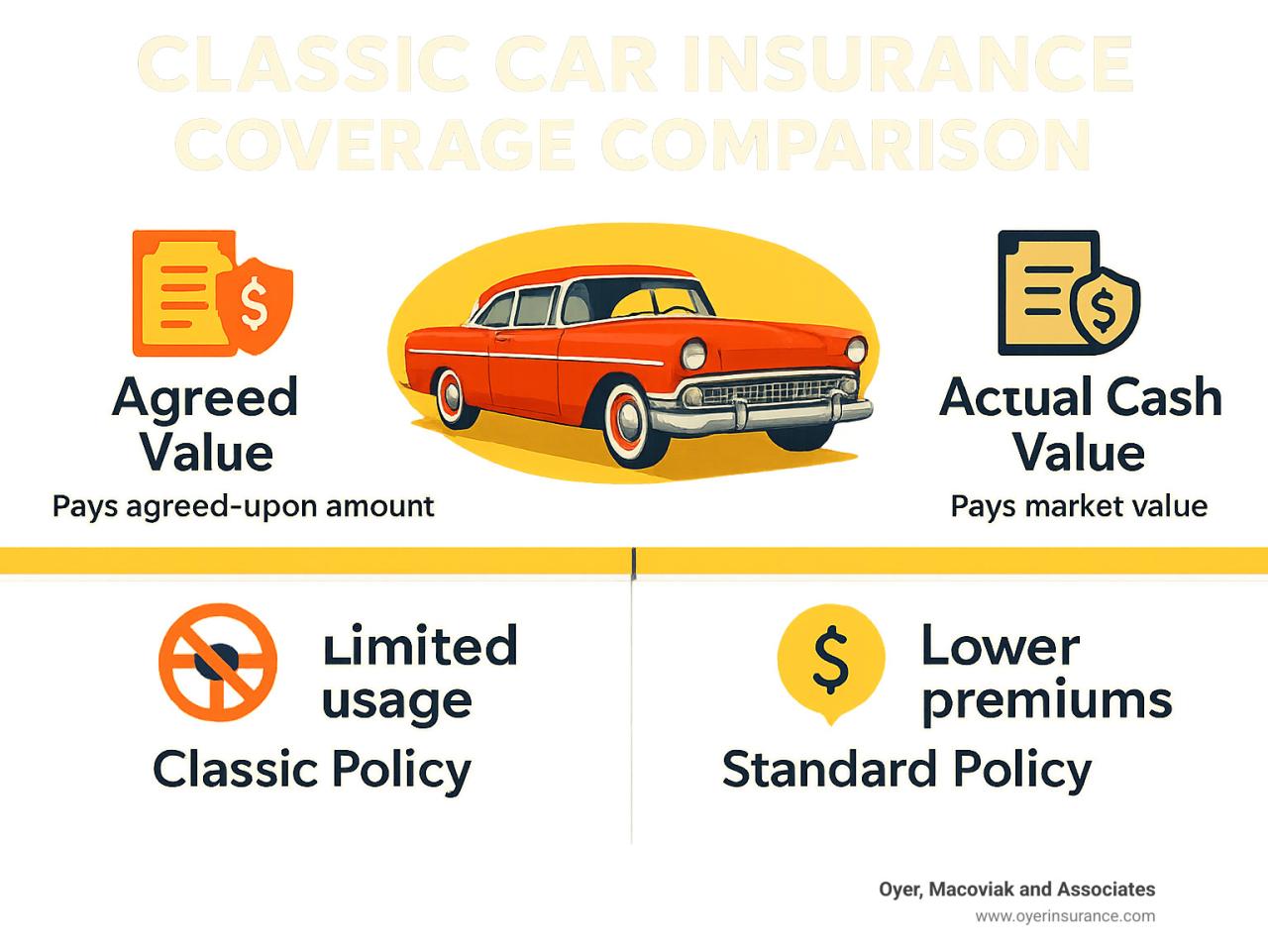
Classic car insurance typically offers coverage limits that are tailored to the unique needs of vintage vehicles. These coverage limits differ from those of regular auto insurance policies due to the specialized nature of classic cars and their higher value.
Liability coverage for classic car insurance usually starts at $100,000 per person and $300,000 per accident, with property damage coverage of $50,000. These limits can be increased based on the value of the classic car and the owner’s preferences.
Collision coverage for classic cars often has a limit based on the agreed value of the vehicle. For example, a classic car valued at $50,000 may have collision coverage up to that amount in case of an accident.
Comprehensive coverage for classic cars typically covers damages from non-collision incidents such as theft, vandalism, or natural disasters. The coverage limit is usually based on the agreed value of the vehicle, similar to collision coverage.
Unlike regular auto insurance policies that cover the actual cash value of a vehicle, classic car insurance considers the agreed or stated value of the vintage vehicle. This allows owners to insure their classic cars for their true value, taking into account factors like rarity, condition, and market demand.
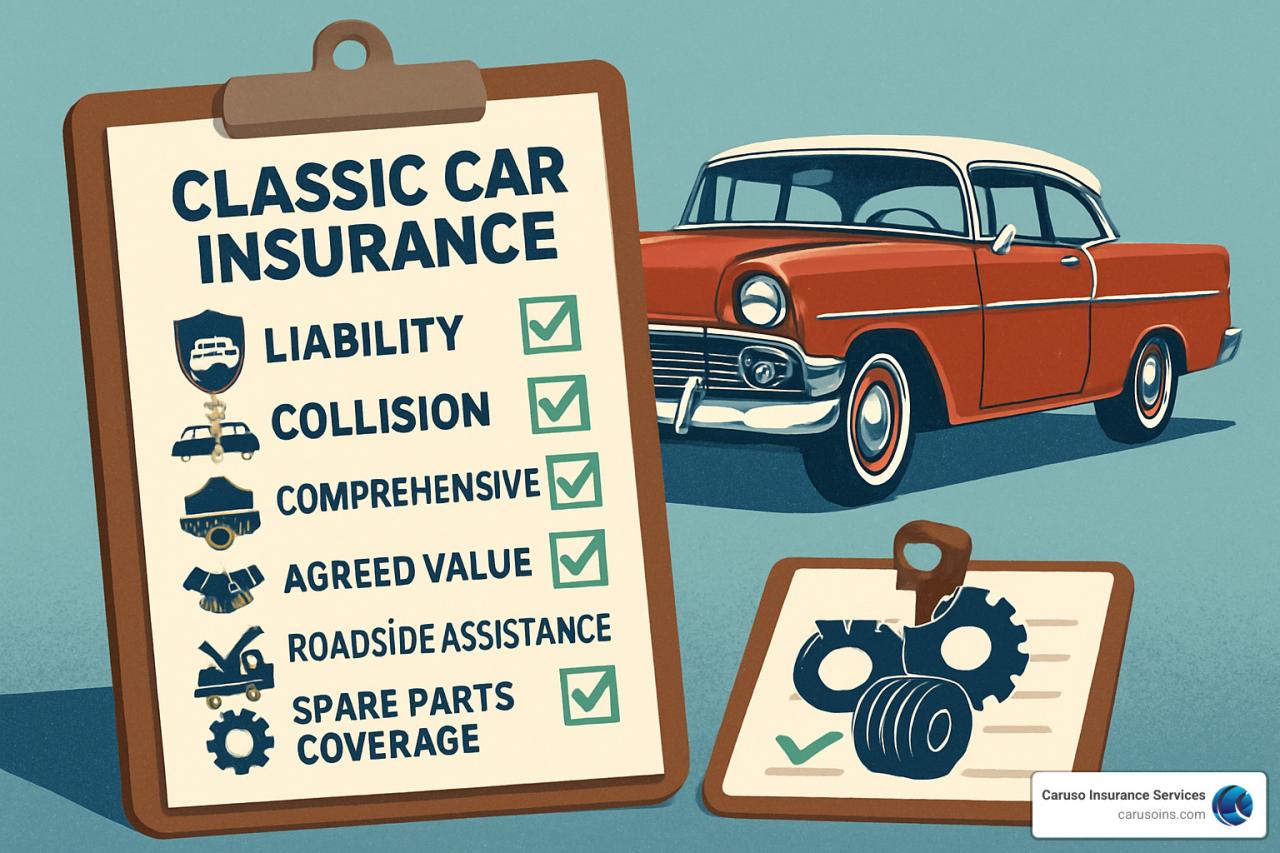
Classic cars are unique and often hold significant sentimental and financial value to their owners. When it comes to insuring these cherished vehicles, the valuation method used plays a crucial role in determining the coverage and premiums. Let’s explore the different valuation methods for classic cars in insurance policies and how they impact coverage.
Agreed value is a valuation method where the insurance company and the policyholder agree on the value of the classic car upfront. This agreed value is the amount that will be paid out in the event of a total loss, without depreciation.
It provides certainty to the policyholder regarding the payout amount and ensures that the classic car is adequately covered based on its true value.
Stated value is another valuation method where the policyholder declares the value of the classic car when purchasing the insurance policy. Unlike agreed value, the insurance company may not necessarily accept or agree with the stated value. In the event of a claim, the payout amount can be the stated value, the actual cash value, or a value determined by the insurance company after appraisal.
Actual cash value is a valuation method that takes into account depreciation when determining the value of the classic car. This means that the payout amount in the event of a total loss is based on the current market value of the vehicle, taking into consideration factors such as age, condition, and mileage.
While this method may result in a lower payout than the agreed or stated value, it can help lower insurance premiums.Valuing classic cars accurately is essential to ensure that they are adequately protected in the event of damage or loss.
The valuation method chosen can significantly impact insurance premiums, with agreed value typically resulting in higher premiums due to the guaranteed payout amount. It’s important for classic car owners to understand the different valuation methods available and select the one that best suits their needs and budget.
When it comes to insuring a classic car, the premium costs can vary based on several factors. These factors can include the age of the car, the make and model, as well as the overall condition of the vehicle. Understanding how these elements influence premium rates can help classic car owners make informed decisions when it comes to insurance coverage.
What are the typical coverage limits for classic car insurance?
Coverage limits for classic car insurance usually vary for aspects like liability, collision, and comprehensive coverage, tailored to the unique needs of vintage vehicle owners.
How do different valuation methods impact classic car insurance premiums?
Valuation methods like agreed value, stated value, and actual cash value play a crucial role in determining premium costs, reflecting the true worth of classic cars in case of loss or damage.
What factors influence premium costs for insuring a classic car?
Premium rates are influenced by factors such as the age, make, model, and condition of the classic car, with owners having the potential to lower costs through various strategies.