Auto Insurance Deductible Explained: How It Affects Premiums and Claim Costs
Delving into the intricacies of auto insurance deductibles, this piece sheds light on how these figures impact both premiums and claim costs. Brace yourself for a journey filled with valuable insights and practical examples.
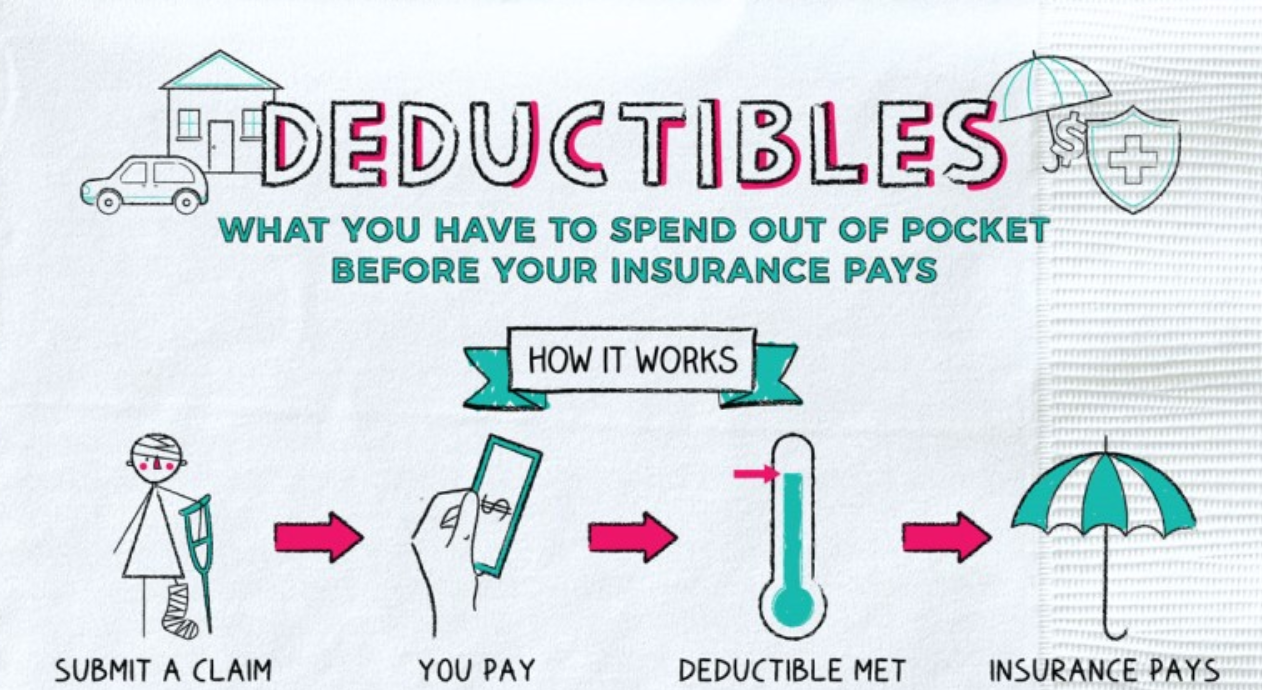
An auto insurance deductible is the amount of money you agree to pay out of pocket towards repairs or claims before your insurance coverage kicks in. It is a key component of your auto insurance policy and can have a direct impact on your premiums and claim costs.
An auto insurance deductible is the predetermined amount of money that you, as the policyholder, must pay before your insurance company covers the remaining costs of a claim. For example, if you have a $500 deductible and file a claim for $2,000 in damages, you would pay the first $500, and your insurance would cover the remaining $1,500.
When you purchase auto insurance, you can choose a deductible amount based on your preferences and budget. Typically, a higher deductible will result in lower premiums, while a lower deductible will lead to higher premiums.
Remember that your deductible amount is separate from your premium – it is the amount you agree to pay out of pocket in the event of a claim.
When it comes to auto insurance, the deductible amount you choose can have a direct impact on your insurance premiums. Understanding how these two factors are related is crucial in making informed decisions about your coverage.
The deductible amount is the portion of a claim that you agree to pay out of pocket before your insurance coverage kicks in. Generally, the higher the deductible you choose, the lower your insurance premiums will be. This is because by opting for a higher deductible, you are essentially taking on more financial responsibility in the event of a claim.
As a result, the insurance company sees you as less of a risk, leading to lower premium costs.
For example, if you have a $500 deductible, your premium may be higher compared to if you have a $1,000 deductible for the same coverage. This is because with the $1,000 deductible, you are agreeing to cover more of the costs yourself, which reduces the insurer’s risk and, in turn, lowers your premium.
Choosing a higher deductible can significantly impact your premium costs. While it may lead to lower monthly or annual premiums, it also means that you will have to pay more out of pocket in the event of a claim. It’s important to consider your financial situation and ability to cover the deductible amount before opting for a higher deductible.
For instance, if you choose a $1,000 deductible instead of a $500 deductible, you could potentially save money on your premiums over time. However, if you are involved in an accident and need to make a claim, you will need to have the $1,000 available to cover your portion of the costs before your insurance coverage kicks in.
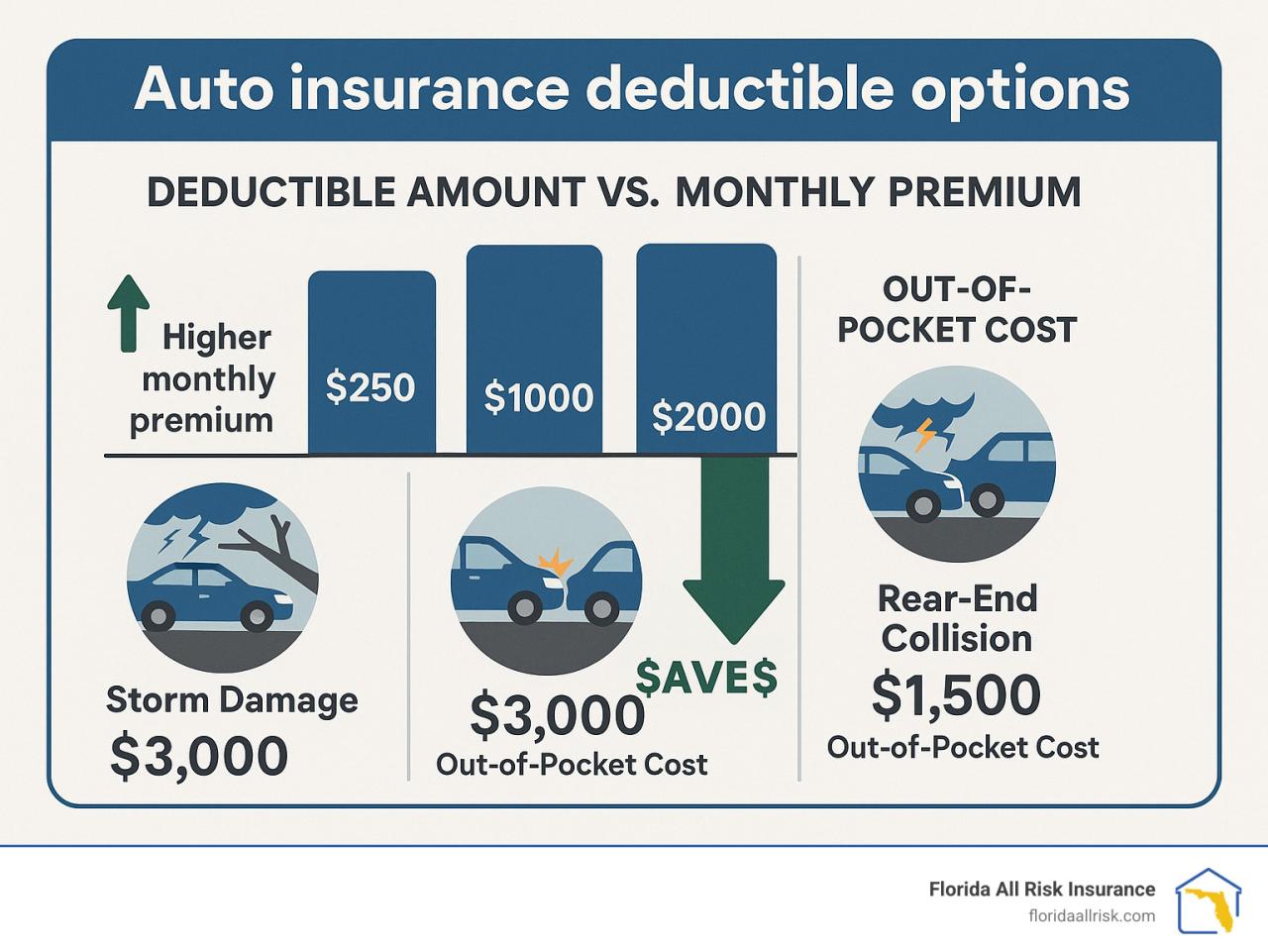
When it comes to auto insurance, the deductible you choose can have a significant impact on the cost of filing a claim. Understanding how your deductible affects your claim costs is crucial in making informed decisions about your coverage.The deductible is the amount you agree to pay out of pocket before your insurance coverage kicks in to cover the rest of the claim.
The higher your deductible, the lower your premiums are likely to be. However, it’s essential to consider how this choice will impact your out-of-pocket expenses in the event of a claim.
When selecting an auto insurance deductible, there are several key factors that individuals should consider to make an informed decision. Your deductible choice can have a significant impact on your premiums and out-of-pocket costs in the event of a claim.
It’s essential to strike a balance between the deductible amount, affordability, and potential claim costs to ensure you are adequately protected without overpaying.
What is an auto insurance deductible?
An auto insurance deductible is the amount of money you are required to pay out of pocket before your insurance coverage kicks in to cover the remaining costs of a claim.
How does the deductible amount affect insurance premiums?
Typically, choosing a higher deductible will result in lower insurance premiums, while opting for a lower deductible will lead to higher premiums. This is because a higher deductible means you are assuming more risk, hence the insurance company charges you less.
What factors should I consider when choosing an auto insurance deductible?
When selecting a deductible, consider your financial situation, driving habits, and the value of your vehicle. It’s important to strike a balance between a deductible amount that you can comfortably afford in the event of a claim and the impact it has on your premium costs.