
HVAC System Upgrade Cost: Efficiency, Rebates, and Long-Term Energy Savings
Embark on a journey through the realm of HVAC System Upgrade Cost: Efficiency, Rebates, and Long-Term Energy Savings. This introduction sets the stage for a comprehensive exploration of the intricacies surrounding this crucial topic, promising a blend of informative insights and practical advice for readers seeking to enhance their understanding of HVAC systems.
Delve deeper into the nuances of upgrading HVAC systems and unlocking potential savings, as we unravel the factors influencing costs, the significance of energy efficiency, the allure of rebates, and the promise of long-term energy savings.
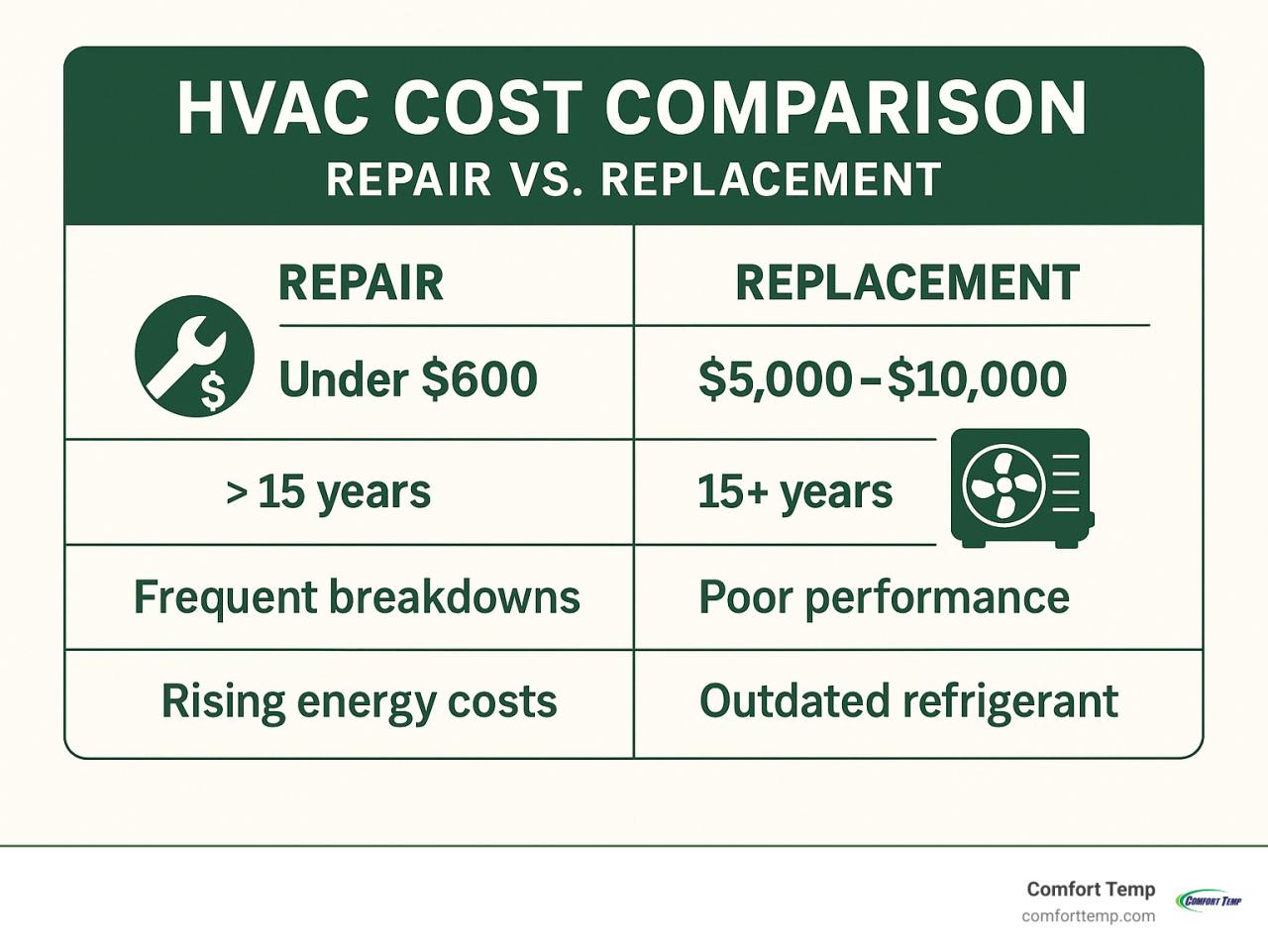
When it comes to upgrading an HVAC system, the cost can vary depending on several factors. These factors can influence the overall cost and determine whether it is more cost-effective to upgrade individual components or replace the entire system. It is crucial to consider energy-efficient options and obtain multiple quotes from HVAC contractors to ensure you are getting the best deal.
Energy-efficient HVAC systems play a crucial role in reducing energy consumption and lowering utility bills for homeowners. These systems are designed to optimize performance while using less energy, resulting in cost savings and environmental benefits.
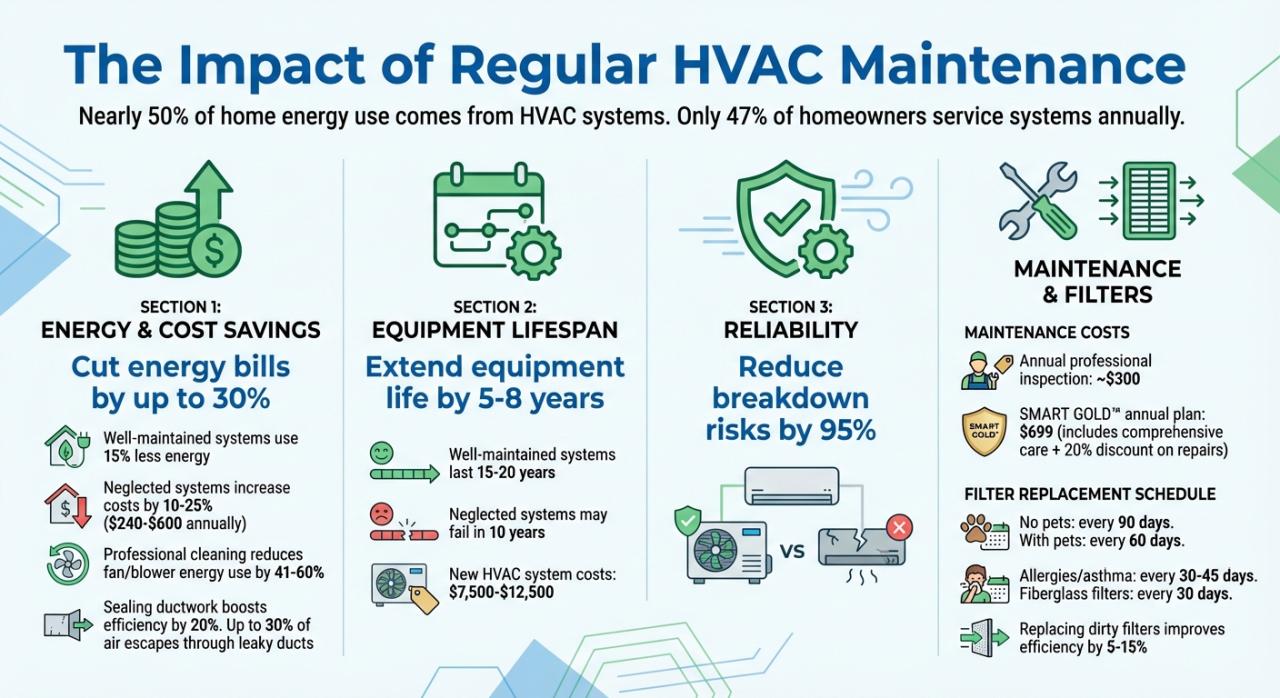
Regular maintenance is essential for preserving the efficiency of an HVAC system. Routine inspections, cleaning, and tune-ups can help identify and address issues that may affect performance. By keeping the system in top condition, homeowners can ensure optimal efficiency and prolong the lifespan of their HVAC equipment.
Rebates are a great way to offset the cost of upgrading your HVAC system while also promoting energy efficiency. By taking advantage of available rebates, homeowners can make their upgrades more affordable and environmentally friendly.
Rebates typically involve receiving a certain amount of money back after purchasing and installing an energy-efficient HVAC system. This can help reduce the overall cost of the upgrade and make it more attractive to homeowners.
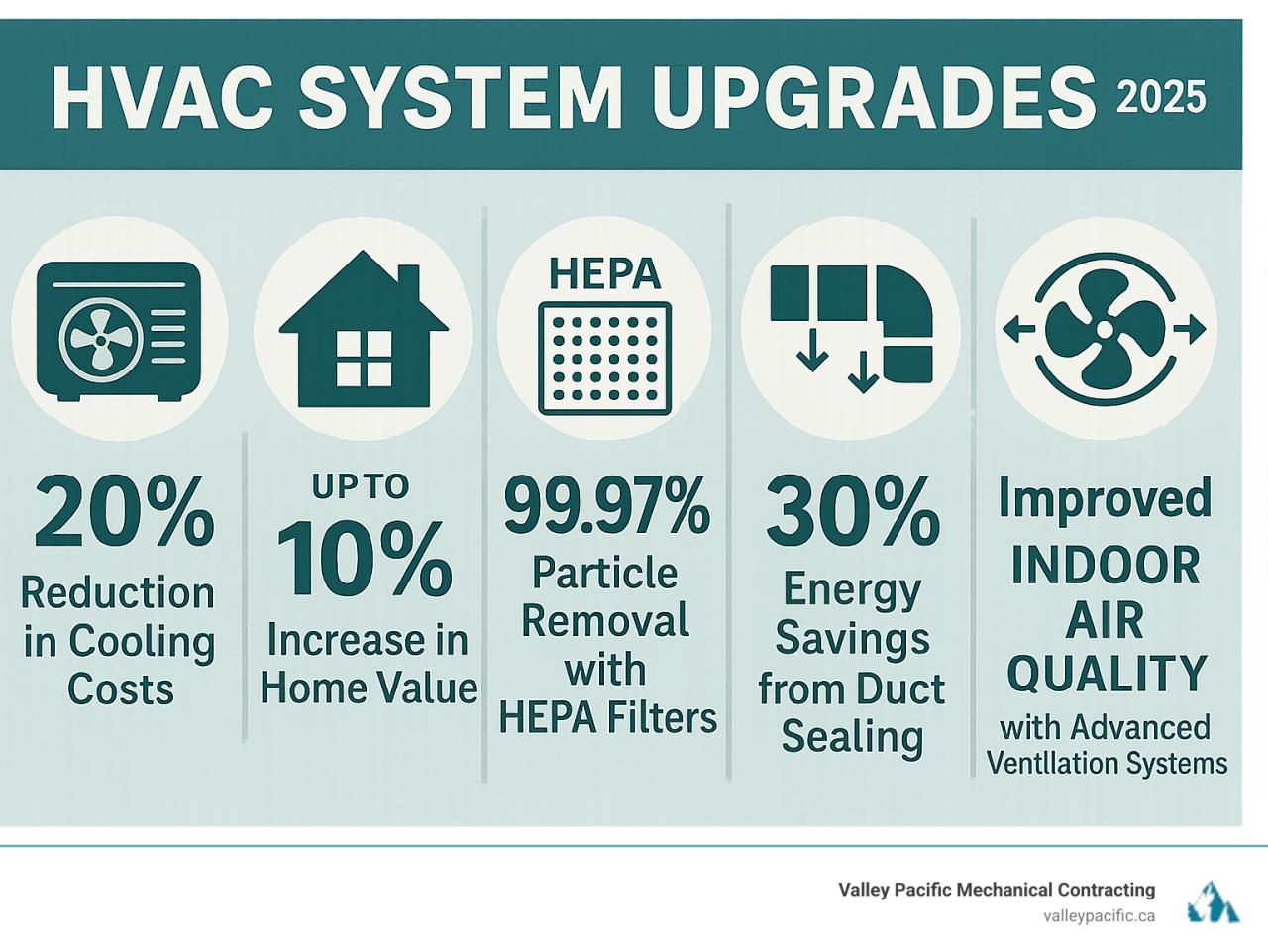
Upgrading to a more efficient HVAC system can lead to significant long-term energy savings for homeowners and businesses. By investing in a system that operates more efficiently, you can reduce your energy consumption and lower your utility bills over time.
Typically, it takes a few years for homeowners and businesses to recoup the initial investment of upgrading to a more efficient HVAC system through energy savings. The exact timeframe can vary depending on factors such as the cost of the upgrade, energy prices, and usage patterns.
Different types of HVAC upgrades offer varying levels of energy savings potential. Improving insulation can help reduce heat loss and gain, leading to lower energy usage. Upgrading ductwork can enhance airflow and efficiency, further decreasing energy consumption. High-efficiency HVAC units are designed to operate more effectively, providing substantial energy savings over time.
How can I determine the cost of upgrading my HVAC system?
To determine the cost, consider factors such as the size of your home, the type of HVAC system you want, and any additional features you may require.
What are some common efficiency ratings for HVAC systems?
SEER (Seasonal Energy Efficiency Ratio), EER (Energy Efficiency Ratio), and HSPF (Heating Seasonal Performance Factor) are common ratings used to measure efficiency.
Are there any specific requirements to qualify for rebates on HVAC upgrades?
Requirements vary but often include using certified contractors or specific energy-efficient models. Check with local utility companies for details.
How long does it typically take to see energy savings after upgrading an HVAC system?
Energy savings can vary, but many homeowners start seeing a return on investment within a few years through reduced energy bills.